The European Union is accelerating efforts to forge trade partnerships with Australia and the wider Indo-Pacific region, as Western democracies seek to isolate themselves from the disruption caused by rising geopolitical tensions and U.S. trade policy under President Donald Trump.
Renewed Momentum in EU–Australia Trade Talks
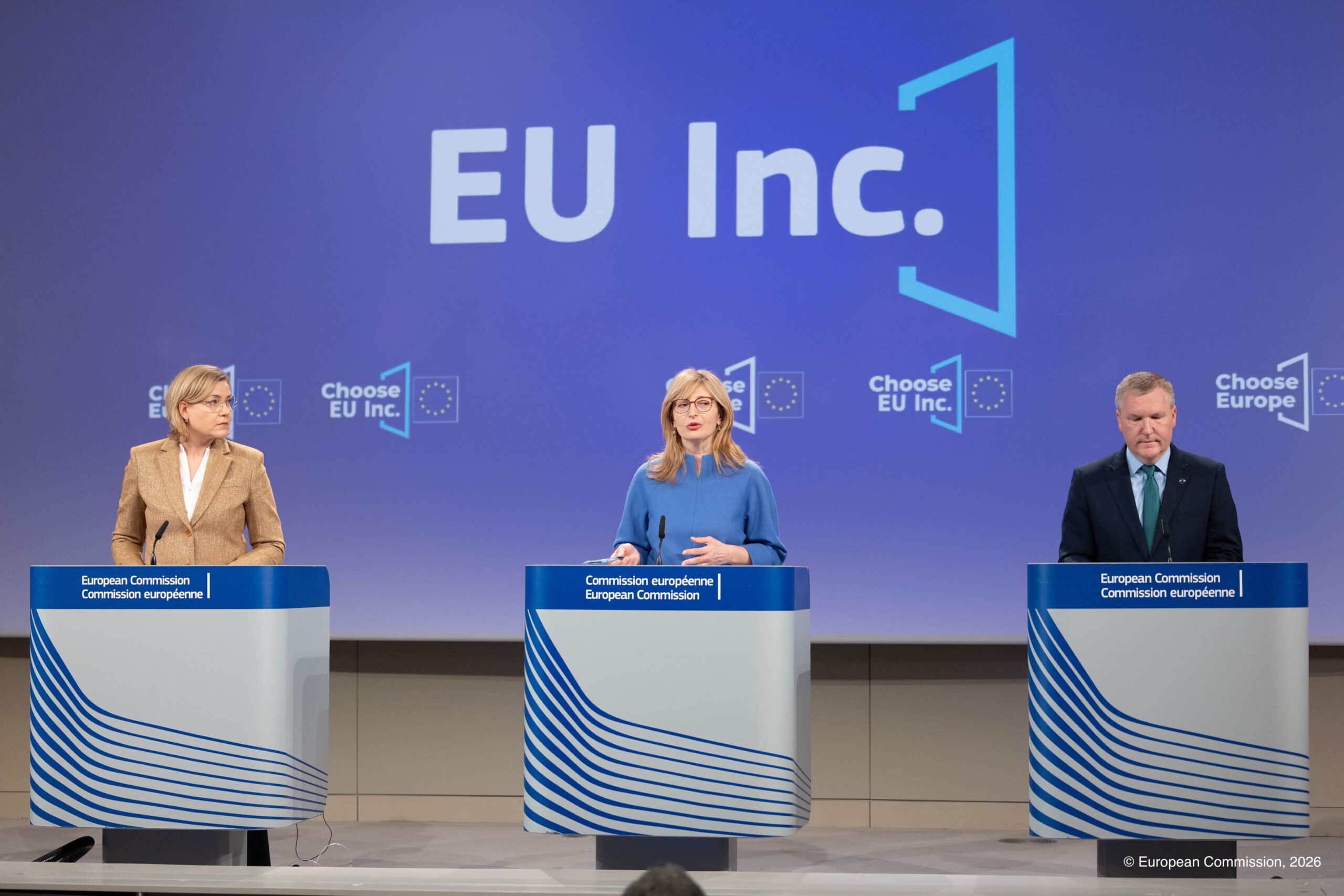
Negotiations between the EU and Australia over a free trade agreement have regained pace. On 12-13 February, European Commissioner for Trade Maroš Šefčovič and European Commissioner for Agriculture Christophe Hansen met Australia’s Trade Minister Don Farrell in Brussels, reporting “constructive and positive” discussions. Both sides signalled cautious optimism that outstanding issues (mainly around agricultural market access) could soon be resolved.
The goal is to finalise the deal in time for a potential visit to Australia by European Commission President Ursula von der Leyen in March. Beyond just lowering tariffs, the agreement is expected to be paired with a comprehensive security and defence partnership. In the eyes of Brussels, Australia is no longer just a trading partner but a vital supplier of critical minerals and a strategic anchor in a region increasingly defined by tension.
A bridge between Europe and the Pacific
Alongside talks with Australia, the EU has reportedly begun exploratory discussions with the CPTPP bloc (a 12-nation Indo-Pacific trade bloc that includes Canada, Japan, Mexico, Singapore, Vietnam and Australia.)
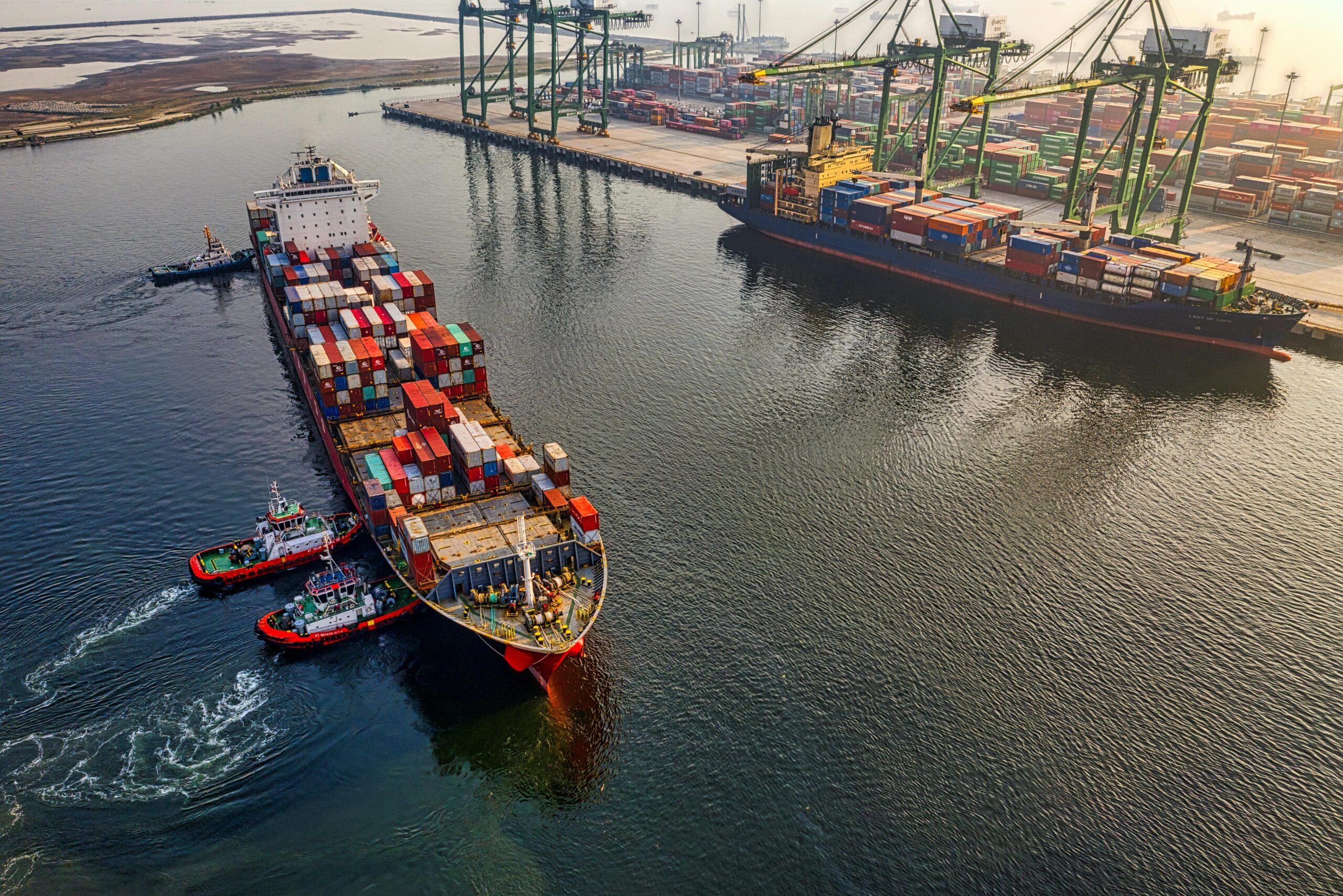
The focus is on closer trade integration, particularly on so-called “rules of origin”. These rules determine where a product is officially considered to have been made. If aligned between the EU and the CPTPP, manufacturers could combine parts and materials sourced across both blocs while still benefiting from preferential (lower) tariffs. This process, known as “cumulation”, would make cross-regional manufacturing smoother and more cost-effective.
From Brussels’ perspective, this initiative is a direct response to the fragmentation of global trade accelerated by Trump’s “Liberation Day” tariffs, announced last year. Business groups across Europe — including the German Chamber of Commerce and Industry — are openly backing the talks, describing the potential agreement as highly advantageous for exporters.
Canada takes the lead
A key driver behind these discussions is Canada. Prime Minister Mark Carney has publicly offered to “broker a bridge” between the EU and the CPTPP. Speaking in Montreal, he described the potential partnership as a rules-based trading bloc of 1.5 billion people with complementary economies. This “alliance of the willing” is designed to uphold a rules-based system at a time when traditional global trade rules are under threat from protectionist policies.
Canada occupies a unique position: it is a member of the CPTPP and also has its own free trade agreement with the EU. This dual role allows Ottawa to act as a facilitator between the two sides.
What’s next
These developments collectively signal a significant shift in how Europe and its partners are approaching trade policy. Rather than waiting for the global system to stabilise, the EU and its allies are proactively building alternative structures. While a formal CPTPP–EU rules-of-origin agreement remains some way off, the political will is clearly gathering. The coming weeks (and any visit by President von der Leyen to Australia) will be an important test of whether that cab be swiftly translated into binding agreements.