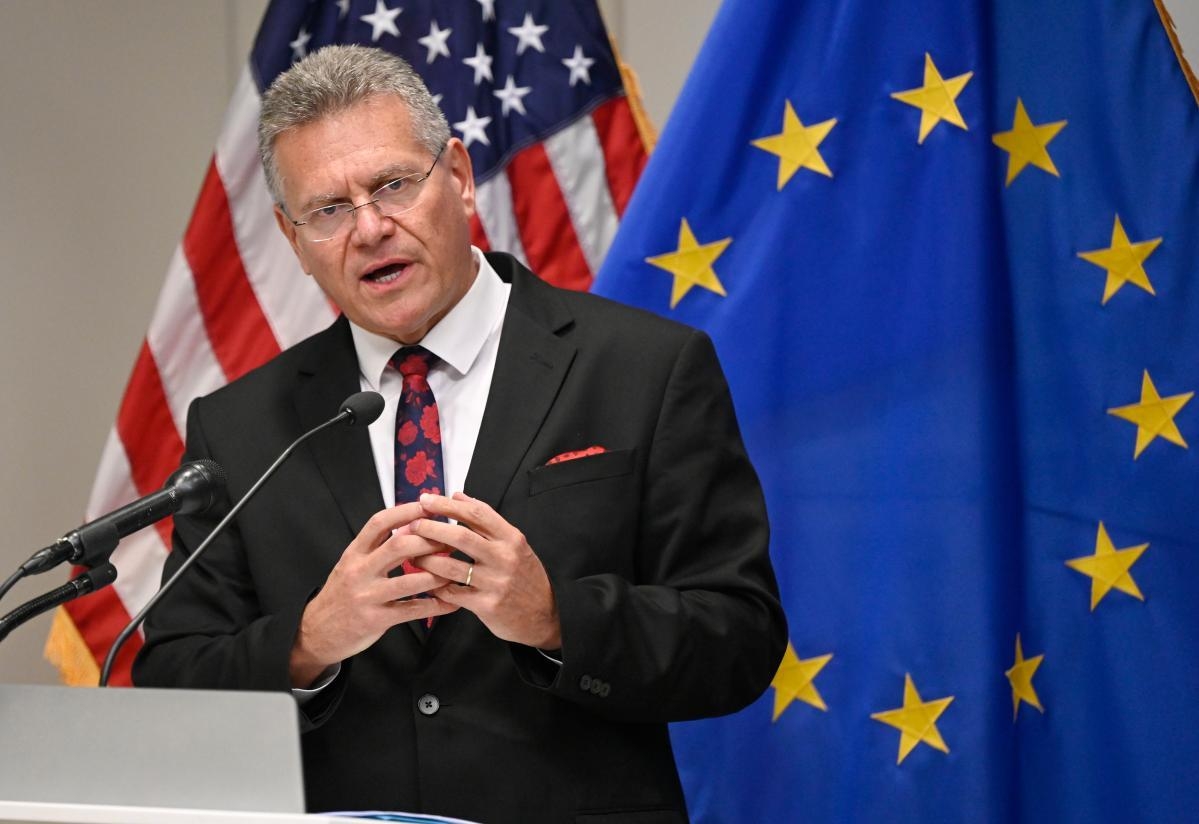
On Wednesday (18 March), EU policymakers, health experts and patient advocates came together to discuss how deeply Europe’s health systems, researchers and policies still fail to adequately address the realities of healthcare issues for women, and why its economic costs are now increasingly difficult to ignore.
What has primarily been viewed as an issue of equality is now increasingly emerging as a broader structural economic challenge, with clear implications for workforce productivity, participation and innovation. The event’s discussion centred on the importance of strengthening women’s health for Europe’s social and economic resilience. Key insights expanded across areas of diagnosis pathways, clinical trials, research, policy and funding.
Diagnosis Pathways
Across a range of diseases, women are diagnosed later than men. In over 700 diseases, women face longer diagnosis pathways. The result is delayed treatment and a growing burden on already strained healthcare systems across Europe. Issues surrounding diagnosis are not simply a clinical failure, but an economic one. Delayed diagnosis leads to longer absences from work, reduced productivity and potentially higher long-term treatment costs.
Clinical Trials
The gaps within women’s healthcare are visible in research itself. Women still make up only around 35% of participants in many clinical trials across the EU. This gap continues to shape treatment guidance and diagnostic protocols. W@LifeSciences has called on the European Medicines Agency to advocate for better representation, ensuring that therapies are tested for the entire population intended to use them.
Funding
Funding remains the most significant obstacle to healthcare. Women’s health research continues to attract lower investment despite the scale of unmet need. Both public and private funding are essential for sustaining research, improving data systems, and supporting awareness campaigns that can shift policy and enhance public understanding. Financially investing in women’s health must be understood as an investment in Europe’s economic future.
Policy
Change cannot effectively happen, however, without political commitment to addressing these challenges. While the European Commission has limited competence in equality policy, it remains a path through which priorities can be shaped through engagement with health experts, broader health initiatives, and improved research strategies. Improvements to women’s healthcare require institutional commitment and a more prominent position within Europe’s policy frameworks.
Closing the gap in women’s healthcare is no longer simply a matter of equality, but a strategic necessity for Europe’s future. Weaknesses in diagnosis, research, funding and policy continue to limit healthcare for women while placing avoidable pressure on healthcare systems and subsequently economies. For Europe, integrating women’s health more effectively into policy and investment decisions will be essential to building long-term resilience, competitiveness and sustainable growth.