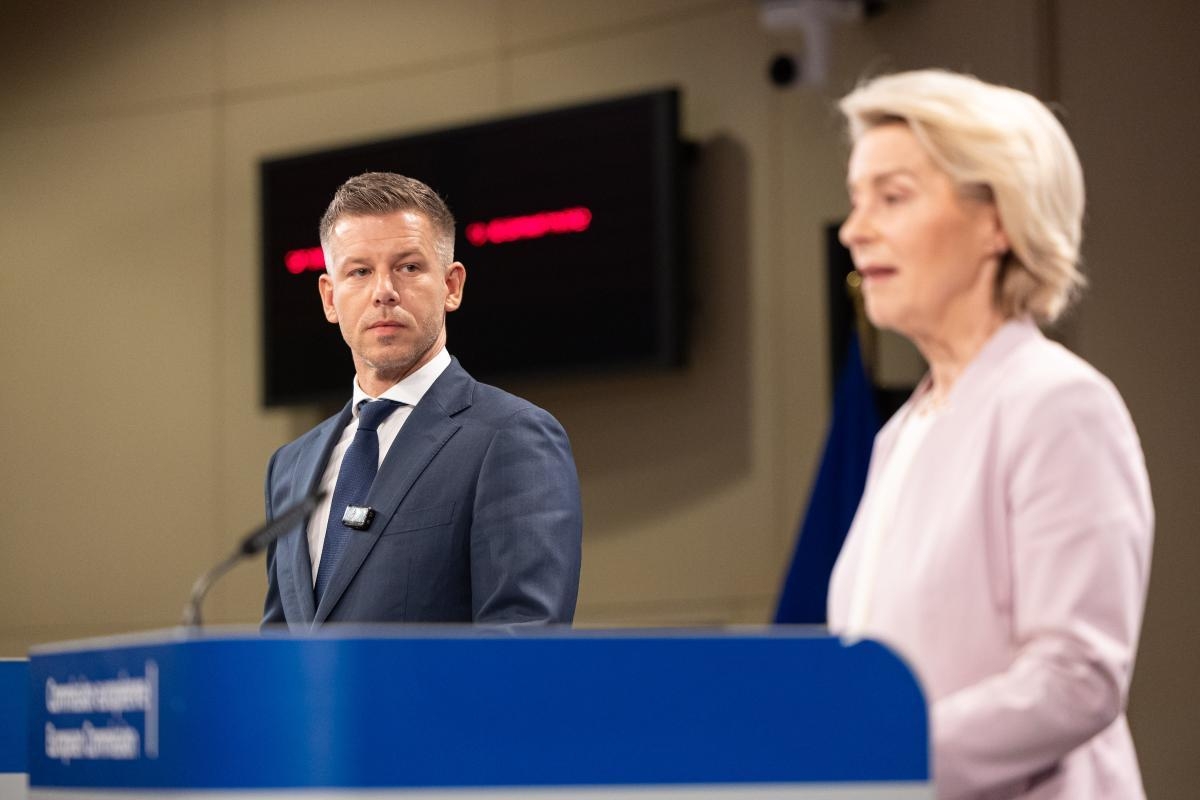
Tuesday (23 June) marked 10 years since the UK voted to leave the EU. The UK-EU summit in 2025 was crucial in defining their relationship and outlining key policy objectives. While the 2026 EU-UK summit was scheduled to take place on 22 July, it has been officially postponed following UK Prime Minister Keir Starmer’s resignation. President of the European Council, António Costa, commented that he hopes Starmer’s successor will continue the path to resetting the EU’s relationship with the UK. Our recently published Vulcan Insight identified several opportunities and challenges resulting from Brexit, which continue to affect businesses.
Our recently published Vulcan Insight identified several opportunities and challenges resulting from Brexit, which continue to affect businesses.
Opportunities for businesses
Defence and security are anticipated as one of the biggest opportunities for EU-UK cooperation. Rising defence spending trends across Europe are creating opportunities for significant joint defence partnerships.
Healthcare and life sciences could also benefit significantly from greater cooperation. Trade agreements, along with collaborative programmes such as Horizon Europe, would strengthen research and innovation, which remains crucial for the competitiveness of the life sciences industry.
Technology and artificial intelligence present both opportunities and challenges. There is a strong interest in EU-UK collaboration on research, innovation and semiconductors. However, regulatory differences are likely to persist, particularly for AI governance. A selective approach is likely to be implemented, rather than an extensive one, allowing both sides to retain their advantages in key areas.
Challenges for businesses
Non-tariff barriers remain a significant obstacle for UK-EU trade. Businesses are facing strict customs procedures and compliance costs, while regulatory divergence is emerging in areas such as chemicals, environmental policy, and digital regulation.
One of the most significant attempts to reduce trade friction is the UK-EU Sanitary and Phytosanitary (SPS) Agreement. Under this agreement, movement of food and agricultural produce would be eased by reducing inspections, certification requirements and administrative burdens. However, negotiations remain tense due to concerns around regulatory alignment.
While defence is a strong opportunity within EU-EUK trade, issues surrounding cooperation for defence remains another challenge for businesses. While the 2025 Security and Defence Partnership created a framework for cooperation, disagreements persist over UK involvement in the EU’s SAFE defence financing programme. This reflects a broader post-Brexit challenge between European strategic cooperation and national industrial interests.
Issues surrounding emissions trading also remain. The UK and EU Emissions Trading Systems (ETS) could save UK exporters up to £800 million annually. However, negotiations remain difficult because of differences in how both sides manage carbon markets and because the EU may seek greater UK alignment with future ETS rules than the UK is willing to accept.
Another contentious issue is labour mobility. The proposed Youth Experience Scheme is intended to improve opportunities for young people to live and work across borders. However, disagreements remain over visa arrangements, labour market access and education fees.
Conclusion
While opportunities for EU-UK cooperation in areas such as defence, innovation and healthcare continue to grow, unresolved challenges surrounding trade, regulation and labour mobility highlight the complexity of the post-Brexit relationship. The future success of EU-UK relations will depend on both sides’ ability to balance strategic cooperation with domestic political priorities, fostering a pragmatic partnership that enhances economic growth, strengthens competitiveness and supports shared security objectives.