German Chancellor Friedrich Merz was the last in a long line of government heads to land in Beijing this week as European leaders have been shuttling to China in recent months. The tone, however, has noticeably shifted. Once, Brussels labelled China a “systemic rival” and spoke of decoupling and “de-risking”. Now, with Donald Trump reshaping the transatlantic landscape, the calculus has shifted making alignment with America look costly.
Mr. Merz travelled with dozens of business chiefs, echoing his predecessors. Yet he arrived later than some in Beijing expected. Nearly ten months into office, he is only now visiting Germany’s largest trading partner. The delay was noted in Beijing. So was the more cautious mood in Berlin.
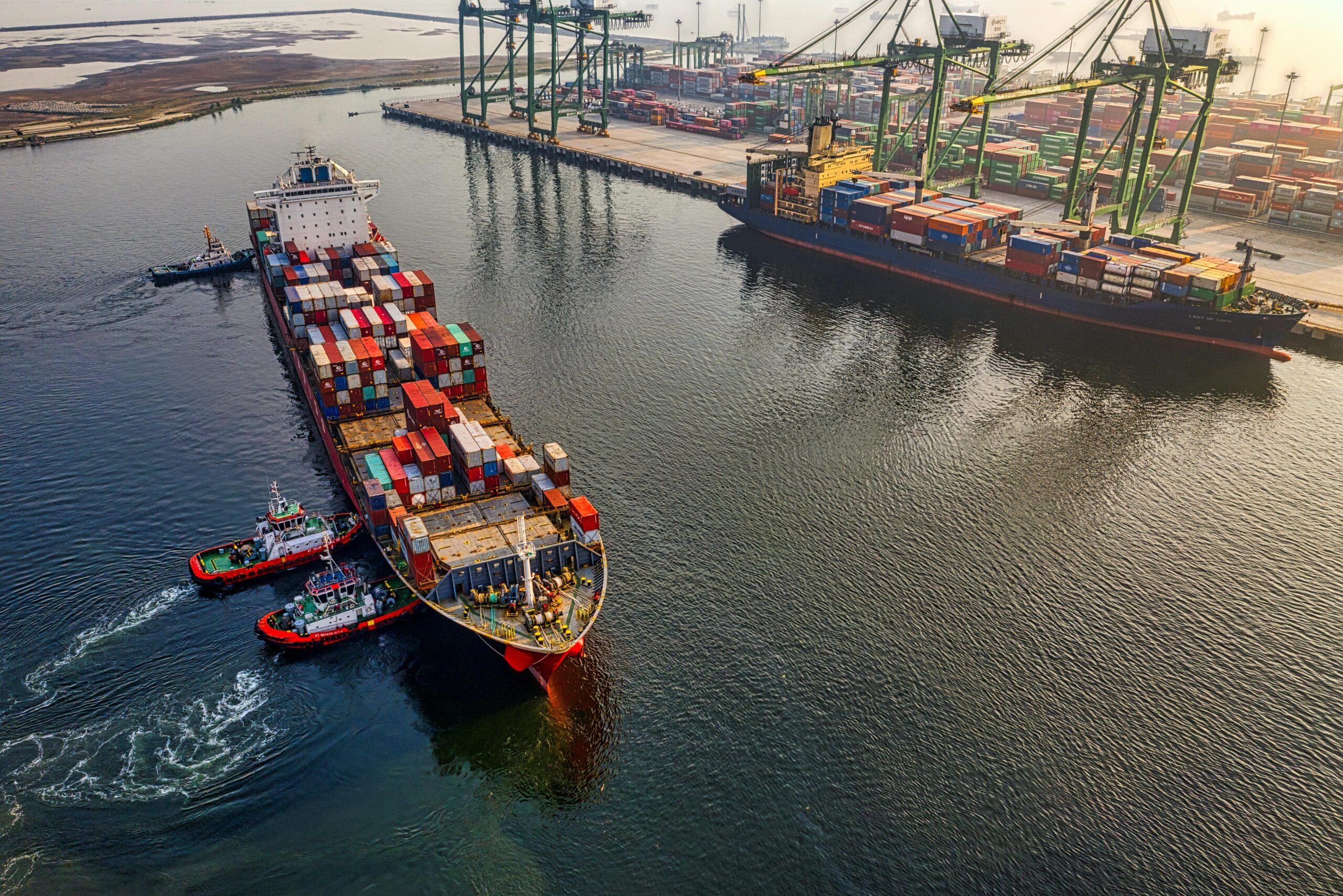
Germany’s trade deficit with China has ballooned to roughly €90 billion, around 2% of GDP. Exports of German cars and machinery have slumped Imports from Chinese firms, facing pressure in their domestic market, have surged. Mr. Merz spoke of “fair competition”. German industry argues that China’s heavy subsidies and an undervalued yuan distort competition.
Tensions extend beyond trade. Europe remains concerned by China’s support to sustain Russia’s war in Ukraine.
For these reasons, much of Europe’s de-risking agenda endures, albeit more quietly. The focus is on critical minerals and other chokepoints. After China imposed export controls on rare earths and certain chips last year, German production lines came under pressure and attitudes became more cautious. Berlin backs joint European efforts to secure raw materials through coordinated purchasing, stockpiles and new trade partnerships. The European Commission’s ResourceEU plan is meant to support that effort.
The Commission also tries to step up dialogue with China to address some of these trade tensions. Maroš Šefčovič, the trade commissioner, emphasised that “communication and concrete discussions yield results”, also when it comes to China’s export controls of strategically critical rare earths and legacy chips. He said he is seeking a “high-level engagement” later this year with his Chinese counterpart, Commerce Minister Wang Wentao, but only if it is “results driven.”
Beijing is signalling openness. In November, China’s commerce ministry floated reviving talks on an investment or trade agreement with the EU, years after the Comprehensive Agreement on Investment was frozen in 2021. Officials speak of “mutually beneficial cooperation” and point to Europe’s recent free-trade deals. America’s tariff offensive has drawn the world’s second- and third-largest economies somewhat closer.
Nevertheless, mutual trust remains limited. Estonia’s foreign minister has called discussions of a possible EU-China free-trade agreement “very important”, while warning that China’s backing of Russia could slow progress. In Europe’s industrial heartlands – Baden-Württemberg in Germany, neighbouring Grand Est in France and northern Italy – manufacturers fret about a “China shock 2.0”.
Governments must juggle competing pressures. Some multinationals, such as chemicals giant BASF, continue to expand in China. Many Mittelstand firms, by contrast, face direct Chinese competition and fear job losses. Consumers remain keen on cheap imports. Balancing openness with resilience may prove to be Europe’s most delicate task.