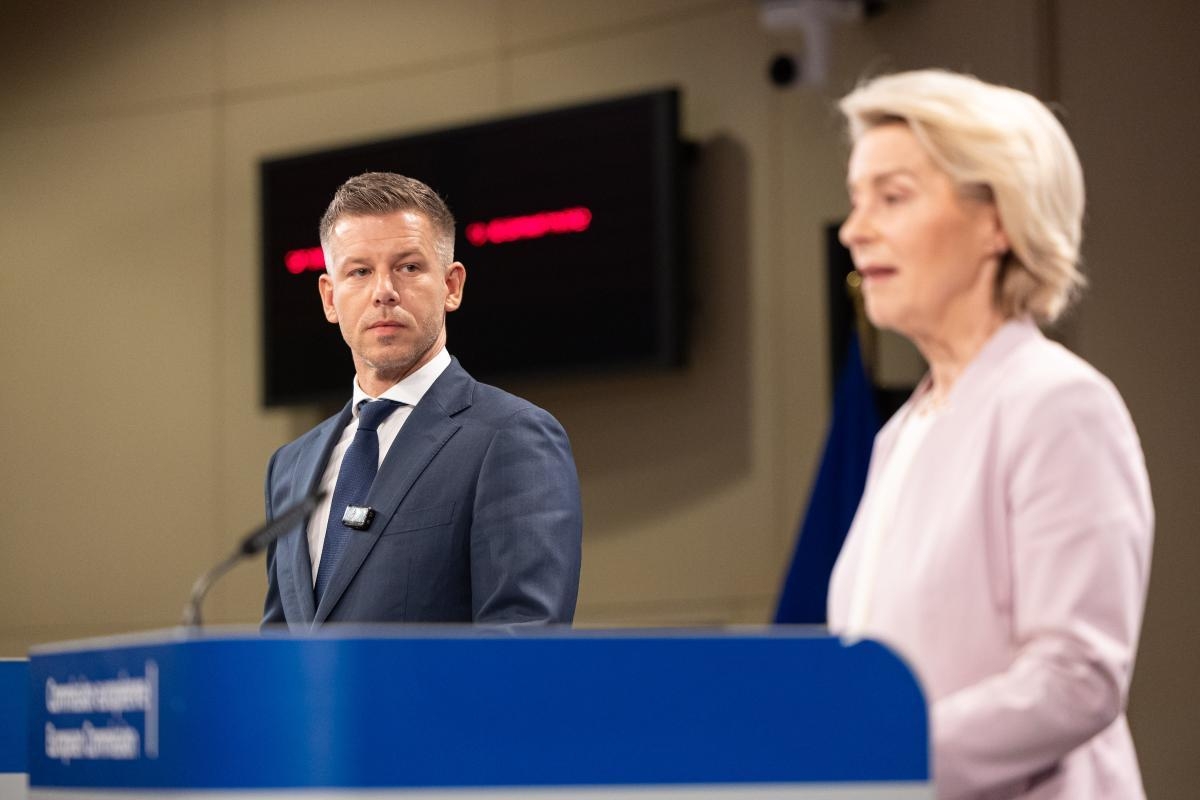
Today (29 May), the European Commission is launching a high-stakes orientation debate to confront a massive surge of ultra-competitive, state-subsidised Chinese imports that EU officials warn could decimate the continent’s industrial base. Meanwhile, countries such as France, Italy and the Netherlands are calling for stronger trade protections, divisions within the EU highlight how difficult it may be to agree on a united approach towards one of Europe’s most important trading partners.
Why is the EU worried about Chinese imports?
At the centre of the debate is what some European policymakers are increasingly calling “China Shock 2.0”. EU officials argue that Chinese companies often benefit from significant state support, allowing them to sell products at prices European firms struggle to match. This gives Chinese companies a huge competitive advantage over European companies.
What measures could the EU introduce?
The European Commission is now considering a range of new trade-defence measures designed to reduce Europe’s dependence on Chinese supply chains and protect vulnerable industries.
Among the proposals under discussion are broader safeguard tariffs targeting sectors such as chemicals and industrial machinery. Officials are also considering tougher rules to prevent companies from bypassing tariffs by rerouting goods through third countries.
Perhaps one of the most striking ideas involves requiring some European companies to source key components from multiple suppliers rather than relying heavily on one country. Businesses in sectors such as chemicals and industrial manufacturing could face limits on buying more than 30 to 40 per cent of critical components from a single supplier, encouraging companies to diversify supply chains and reduce reliance on China.
EU divided on the approach
Despite growing momentum for stronger trade tools, agreement among EU countries remains far from certain.
European Commission President Ursula von der Leyen is reportedly pushing for stronger action, arguing that previous attempts at dialogue with Beijing have failed to resolve long-standing complaints over market access and state subsidies. According to EU officials, frustration has been growing as European companies remain excluded from parts of China’s public procurement market while Chinese firms continue expanding their presence in Europe.
Some Member States, including France, Italy, the Netherlands and Lithuania, signed a non-paper supporting tougher trade-defence instruments, including broader investigations into unfair trade practices and new measures linked to “economic security”. Moreover, French President Emmanuel Macron has even suggested the EU adopt powers similar to those used by the United States to defend strategic industries from unfair foreign competition.
However, not all governments agree. Spain initially backed the non-paper, but has distanced itself after it got leaked. Germany has also shown caution, reflecting concerns among countries with strong business links to China. Beijing remains one of Europe’s largest trading partners, and many governments fear that aggressive trade measures could provoke retaliation or damage investment ties.
China, for its part, has strongly criticised the EU’s plans, accusing Brussels of disguising protectionism as “fair competition” and warning against moves that could exclude Chinese companies from European markets.
The coming weeks will be crucial. European leaders are expected to discuss China-related trade concerns at the June European Council summit, while further proposals could emerge as early as September. Although the EU appears increasingly determined to defend its industries, the debate reveals a difficult balancing act: how to protect Europe’s economy without triggering a damaging trade confrontation with China. For now, the question remains whether the bloc can turn growing concern into a united strategy.