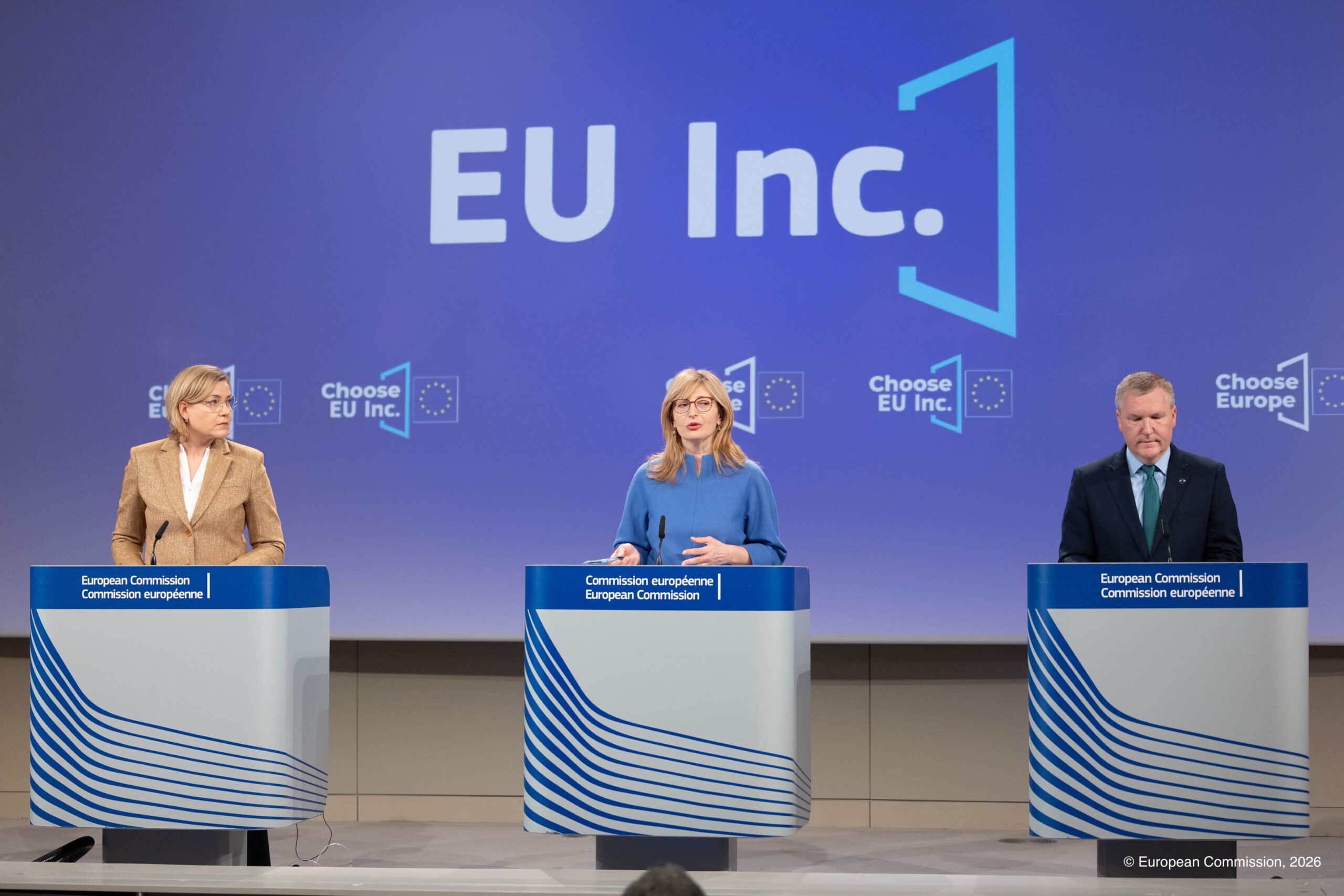
The red-tape cutting continues at full speed this week. On Thursday (11 December), the Council signed off on the second omnibus package, streamlining the InvestEU programme. Monday saw the European Parliament and Council reach agreement on the first omnibus, easing corporate sustainability reporting and due diligence rules. And on Wednesday, the European Commission unveiled six legislative proposals aimed at slashing environmental compliance burdens.
The first omnibus package tackles corporate sustainability. It eases reporting under the Corporate Sustainability Reporting Directive (CSRD) and the Corporate Sustainability Due Diligence Directive (CS3D). Employee and turnover thresholds have been raised: 1,000 employees and €450 million turnover for CSRD, 5,000 employees and €1.5 billion for CS3D. This brings most companies out of scope.
The trickle-down effect on smaller suppliers is limited. Firms can focus on the areas of greatest impact instead of exhaustive mapping. Obligations for climate transition plans and EU-harmonised civil liability regimes have been dropped, and penalties are capped at 3% of net turnover. Companies have until 2029 to comply.
The second omnibus has also been cleared. It concerns InvestEU, through which the EU gives budgetary guarantees to financial institutions, which then provide loans, guarantees or equity to companies. It rises by €2.9 billion, while reporting and administrative requirements are simplified. The changes are expected to unlock at least €50 billion in investments and save €350 million in administrative costs, boosting competitiveness in industrial, green, and defence sectors.
On Wednesday, the Commission unveiled its environmental omnibus: six proposals designed to simplify rules and ease the regulatory burden for businesses and public authorities. It simplifies rules on industrial emissions, environmental reporting, assessments, and geospatial data. Permitting will be faster for key sectors such as renewable energy, data centres, and affordable housing. Farmers, aquaculture operators, and industry will face lighter reporting duties, while EU-based producers will see some cross-border obligations eased. Overall, the package is expected to save businesses around €1 billion a year.
And many more to go…
Eight omnibus packages have been proposed so far, covering everything from AI and digital rules to defence readiness. The aim is clear: cut red tape, boost EU competitiveness, and free up public and private resources for growth and innovation. The Commission targets €37.5 billion in annual administrative cost savings by 2029, with cuts of at least 25% across the board and 35% for SMEs.
At the same time, critique is growing – from both sides. Industry groups argue the measures still fall short of matching the levels needed to compete with the US and China. Meanwhile, others – among whom South Korea’s trade minister, in an interview with Euractiv – warns that the simplification drive could create more uncertainty than clarity, potentially undermining its intended impact. Any omnibus package still has to go through lengthy negotiations between the Council and Parliament, a process that typically takes at least a year from introduction. And more packages are expected in early 2026.