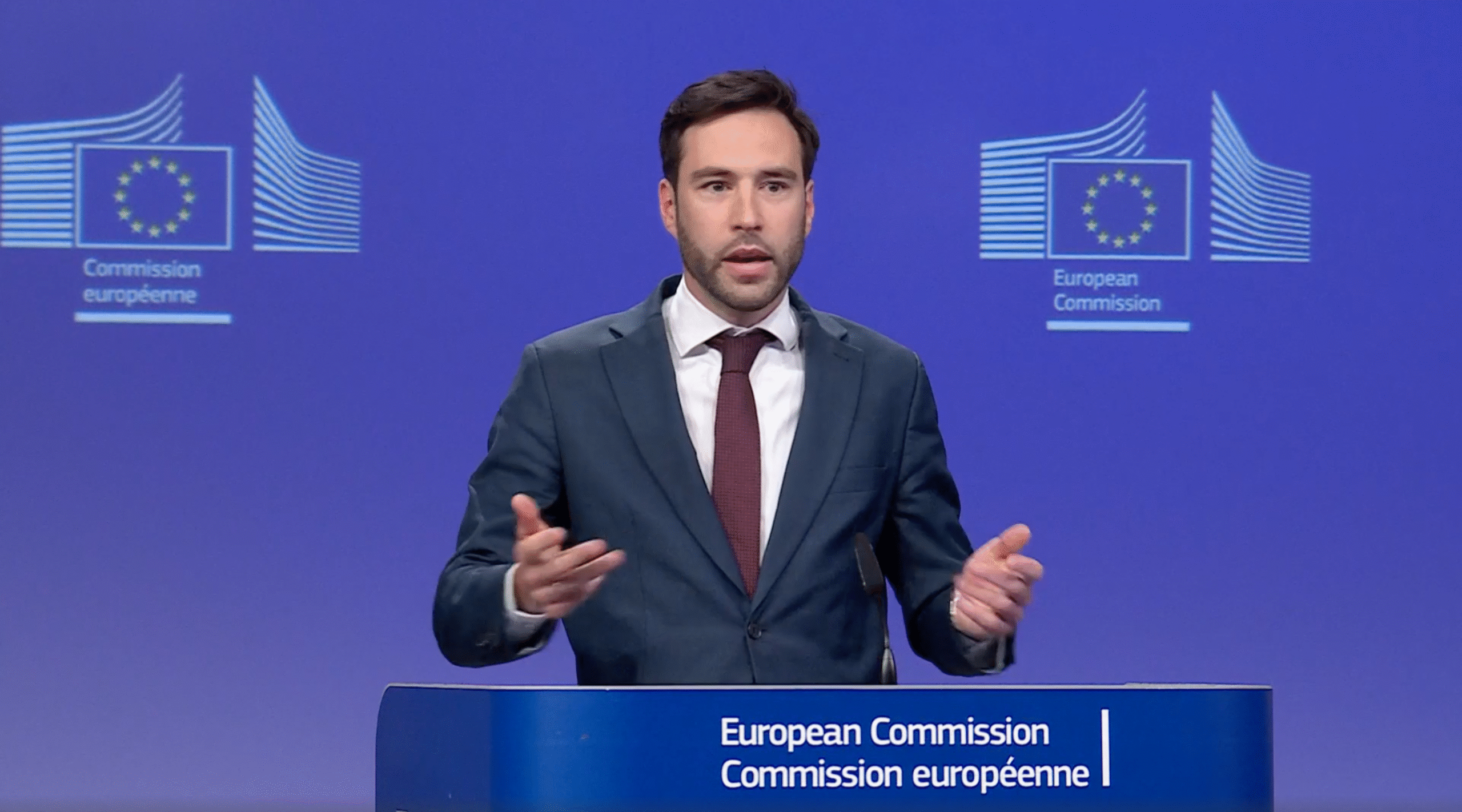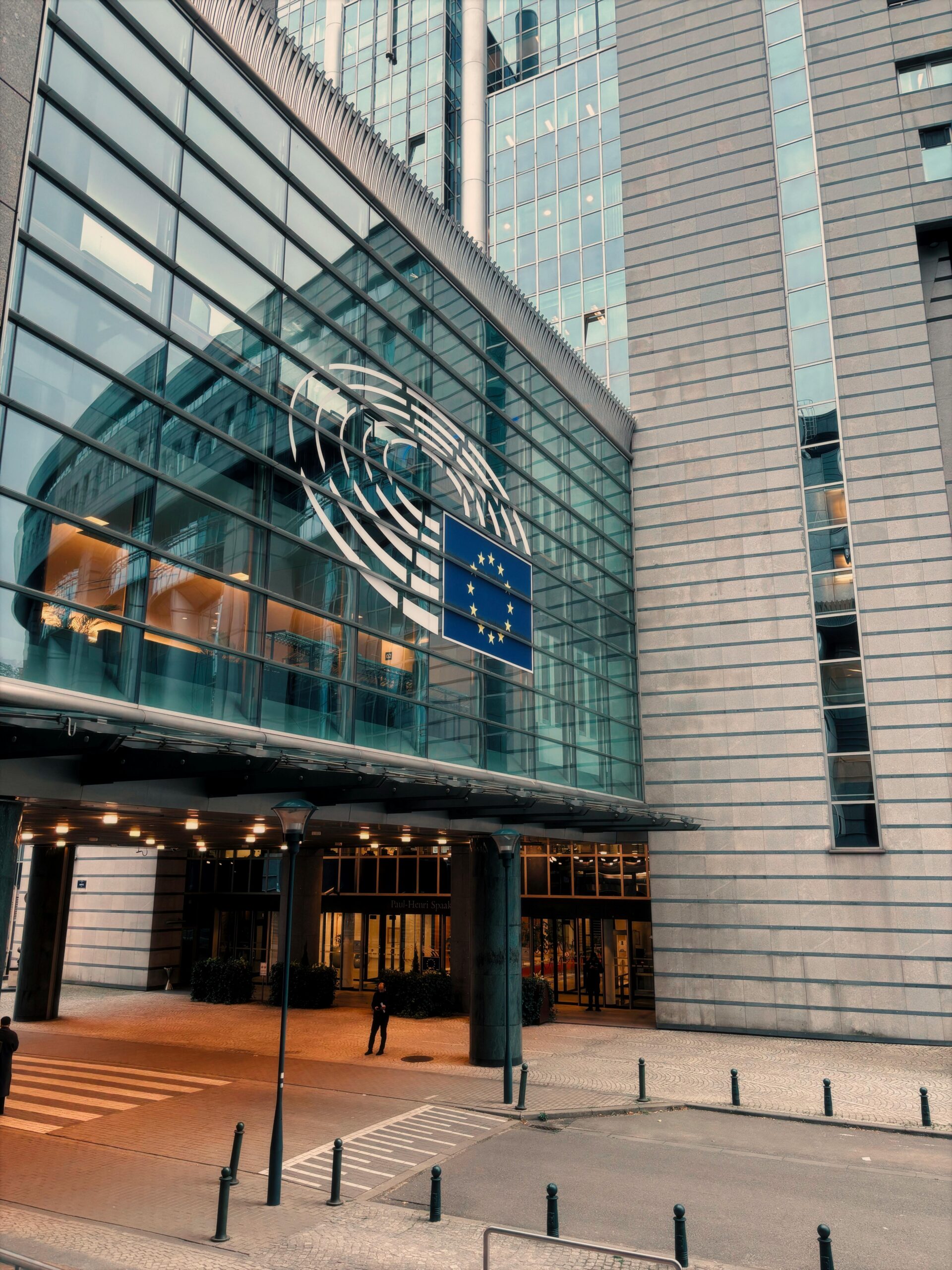
On Tuesday, 12 May, EU Defence Ministers met in Brussels, marking an important step in forming a more coherent, collaborative approach to European defence strategy. Led by European Commission Vice-President Kaja Kallas, under the Council of the European Union Foreign Affairs Council (Defence), the session focused on four key issues: support for Ukraine, Europe’s defence readiness, strengthening the European Defence Agency (EDA) and the security implications of the ongoing conflict in the Middle East.
One of the most pressing issues for the Council was the war in Ukraine. Attending Ministers discussed how the upcoming support loan of €90 billion, could be focused more directly on drones and other capabilities deemed critical. Rather than limiting the EU’s role with financial assistance or sanctions, the EU is suggesting that military assistance is linked with industrial policy to further support Ukraine’s war against Russia.
A second major theme of the meeting was defence readiness, with Kallas highlighting the importance of EU displaying strength, stating that ‘Deterrence works if it is credible. Showing weakness only invites aggression’. Ministers also discussed implementation of the Defence Readiness Roadmap 2030. The roadmap seeks to address weaknesses in Europe’s defence market, including procurement system issues, insufficient stockpiles and underinvestment in industry. Notably, Ministers emphasised the need for industry to be capable of delivering on time and at the necessary scale for implementing the defence agenda.
An additional outcome of the meeting was the decision to strengthen the EDA. Ministers endorsed a three-year plan to improve the agency’s role in innovation, experimentation and collaborative procurement. This signals a shift from the EDA’s role from that of a co-ordinator to more operational, with Kallas remarking that ‘defence innovation has to become a political priority’.
Discussion of the conflict in the Middle East highlighted the implications for Europe’s security. Ministers discussed the impact of the conflict, including risks to maritime trade. Kallas remarked that EU naval operations in the region have the capacity to play a vital role in restoring energy and trade flows.
Irish Minister for Foreign Affairs and Trade, Helen McEntee attended the meeting in Brussels, and welcomed the meeting’s discussions. Speaking on the additional measures in response to Israel’s breaches of international law, McEntee said she is calling on ‘the HR/VP and the Commission to bring forward concrete proposals to prohibit trade with settlements’. McEntee also met with the Croatian Minister for Foreign Affairs, with discussion centred around shared priorities ahead of Ireland’s upcoming Presidency of the Council of the EU. Minister of State for Defence, Thomas Byrne, who was also in attendance at the Brussel’s meeting, noted that the ongoing war in the Middle East and the implications for Lebanon, where Irish peacekeepers serve, were of particular concern.
These discussions signal a shift towards a more integrated and strategically prepared Europe. For Ireland, the meeting highlighted both the practical and diplomatic dimensions of European security policy, from continued support for Ukraine to concerns over the safety of Irish peacekeepers serving in Lebanon. While significant challenges remain, it is clear that the EU is seeking to move beyond reactive measures towards a more coordinated and resilient defence agenda, better equipped to protect European interests and respond to global instability.