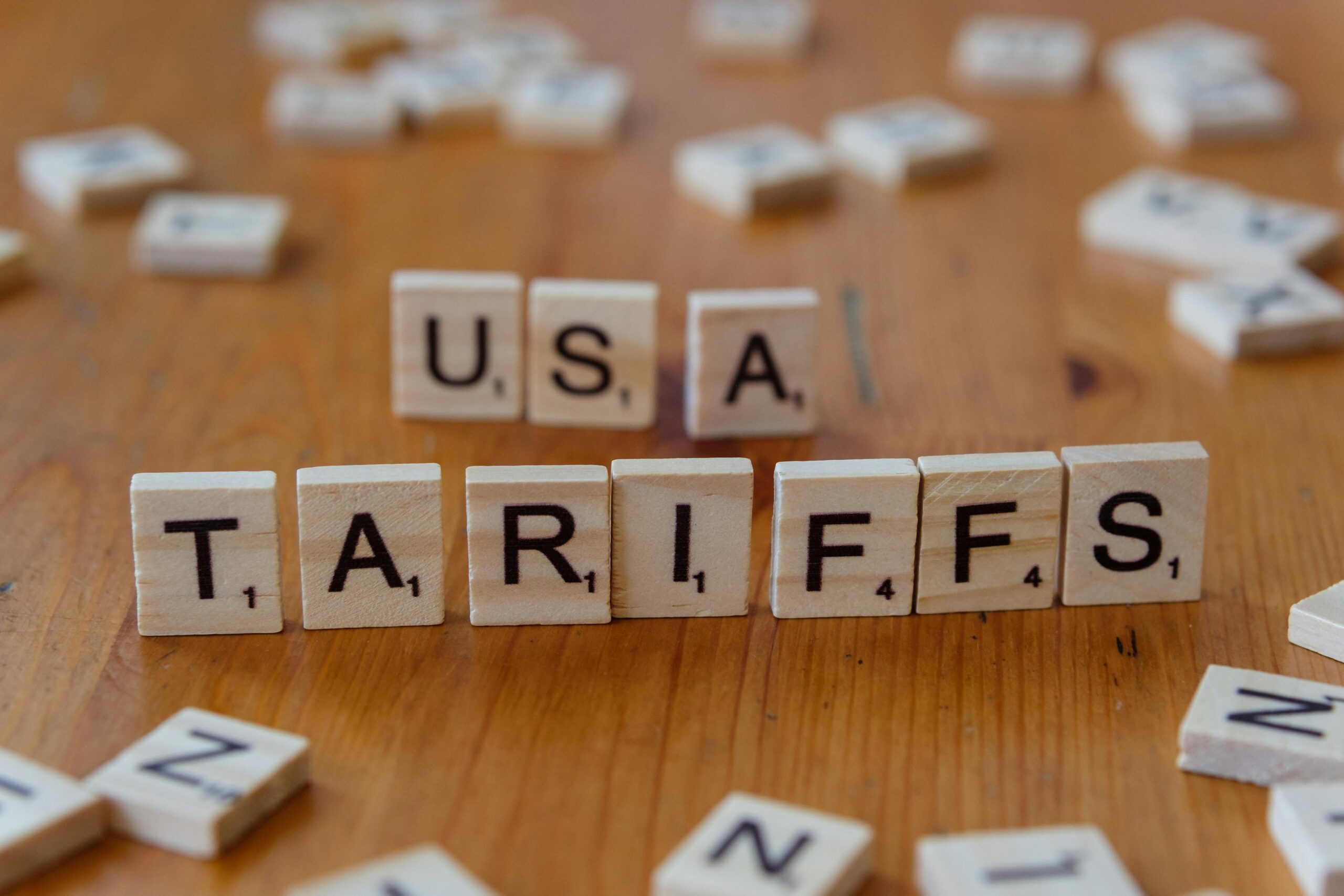
American President Trump’s “Liberation Day” tariffs were last year’s hottest topic. Less well-known is one of the few winners of the saga: China. On Wednesday (14 January), the country reported a record $1.2 trillion trade surplus in 2025 as Chinese firms pivot away from the United States toward Southeast Asia, Africa, Latin America and Europe.
It has EU officials and EU-based producers worried. They are concerned not just about a continuous wave of cheap Chinese products flooding the single market, but also what it means for Europe’s strategic goal of industrial autonomy and the ability to make key technologies in-house (let alone the security risks). Industries still at an early stage – particularly batteries, semiconductors, and high-end electronics – risk being outcompeted by Chinese firms with massive economies of scale, backed by subsidies and state support.
Many remember what happened to our domestic solar panel industry. Once global leaders, European firms helped incubate China’s industry through technology transfers and early projects. Beijing scaled aggressively and left producers struggling or bankrupt: manufacturing capacity in Europe halved between 2010 and 2023.
A similar story is unfolding in electric vehicles. Tariffs on Chinese EVs introduced in the summer of 2024 may have slowed but not stopped imports. Although European carmakers still led EV sales on the continent in 2024, their share of the global market has been steadily slipping for a decade. China’s BYD and U.S.-based Tesla dominate the market, leaving European firms struggling to gain a foothold in the fastest-growing segment.
All this comes as European Commission trade officials juggle the fallout from the US, while Beijing expands overseas production hubs to secure tariff-favoured access and diversify beyond the American market.
Not all is rosy
Yet the vast export volumes also signal underlying ailments to the Chinese economy. Domestic consumption has remained sluggish for years, the property sector is still in crisis, industrial overcapacity lingers, and deflationary pressures persist. To manage global criticism, China has moderated some policies, scrapping export tax rebates in solar and passing revisions to the Foreign Trade Law to signal a shift toward freer trade.
Still, the sheer magnitude of the trade surplus underscores Beijing’s resilience. High-tech exports, including industrial robots and machine tools, rose 13% in 2025. EVs, lithium batteries, and photovoltaics surged 27%, while total vehicle exports jumped nearly 20%.
Europe is particularly exposed in sectors with limited or nascent local capacity. EV batteries, solar panels, and high-tech components like chips face the sharpest pressure from Chinese competition. With exports showing no sign of slowing, the EU also faces a delicate balancing act: protective measures risk slowing the energy transition or industrial development, while open markets threaten further erosion of domestic manufacturing, as Teresa Ribera, the Commission’s executive vice-president for a clean, just, and competitive transition, has repeatedly warned.